European culture & material lifeEdition 04 · 2026

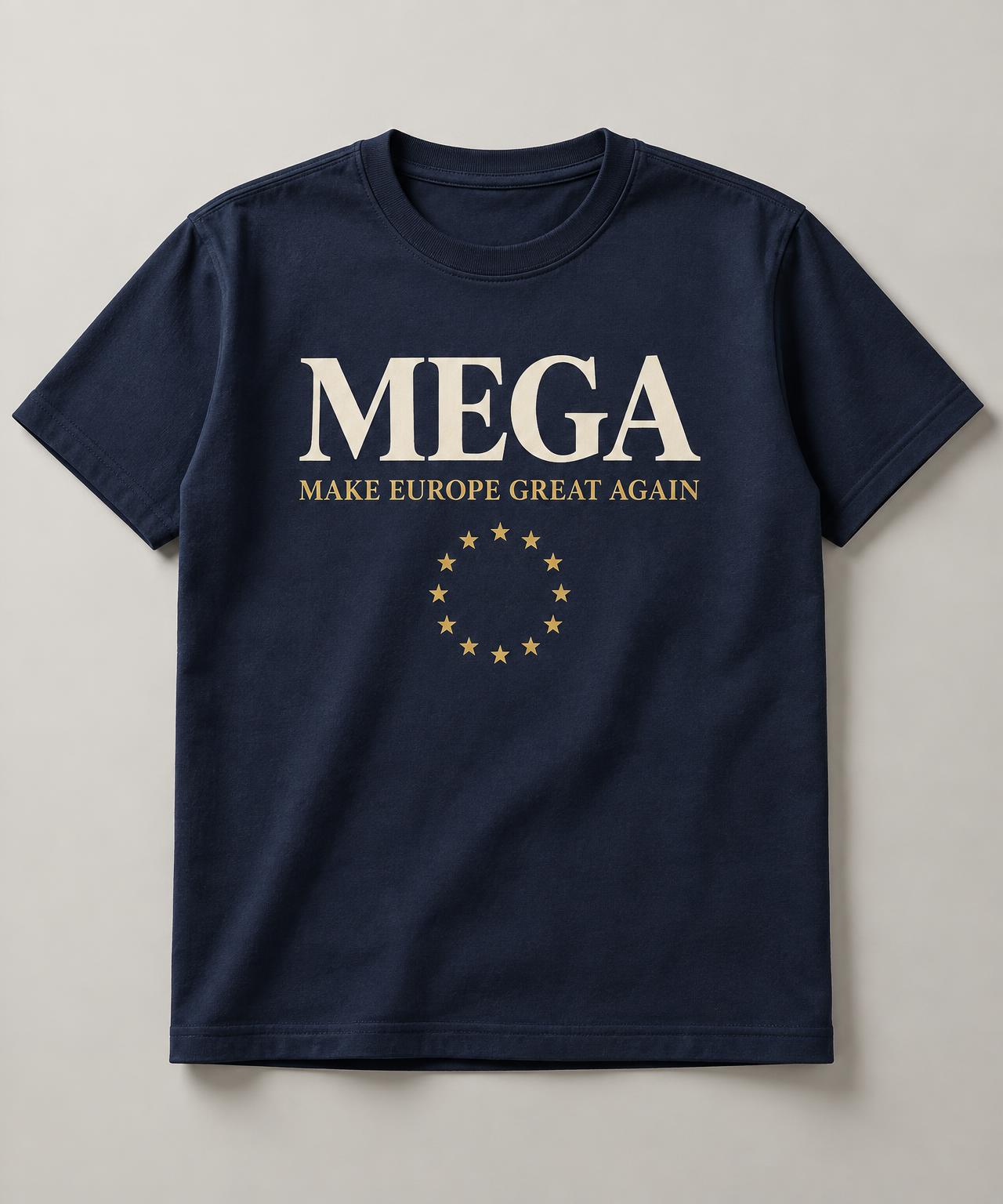
MEGA · Make Europe Great Again

Make Europe
Great Again.

MEGA stands for Make Europe Great Again. On this page: the campaign collection, the European events programme and forty sourced analyses of how European politics actually works. Reporting is labelled and sourced; it endorses no party.

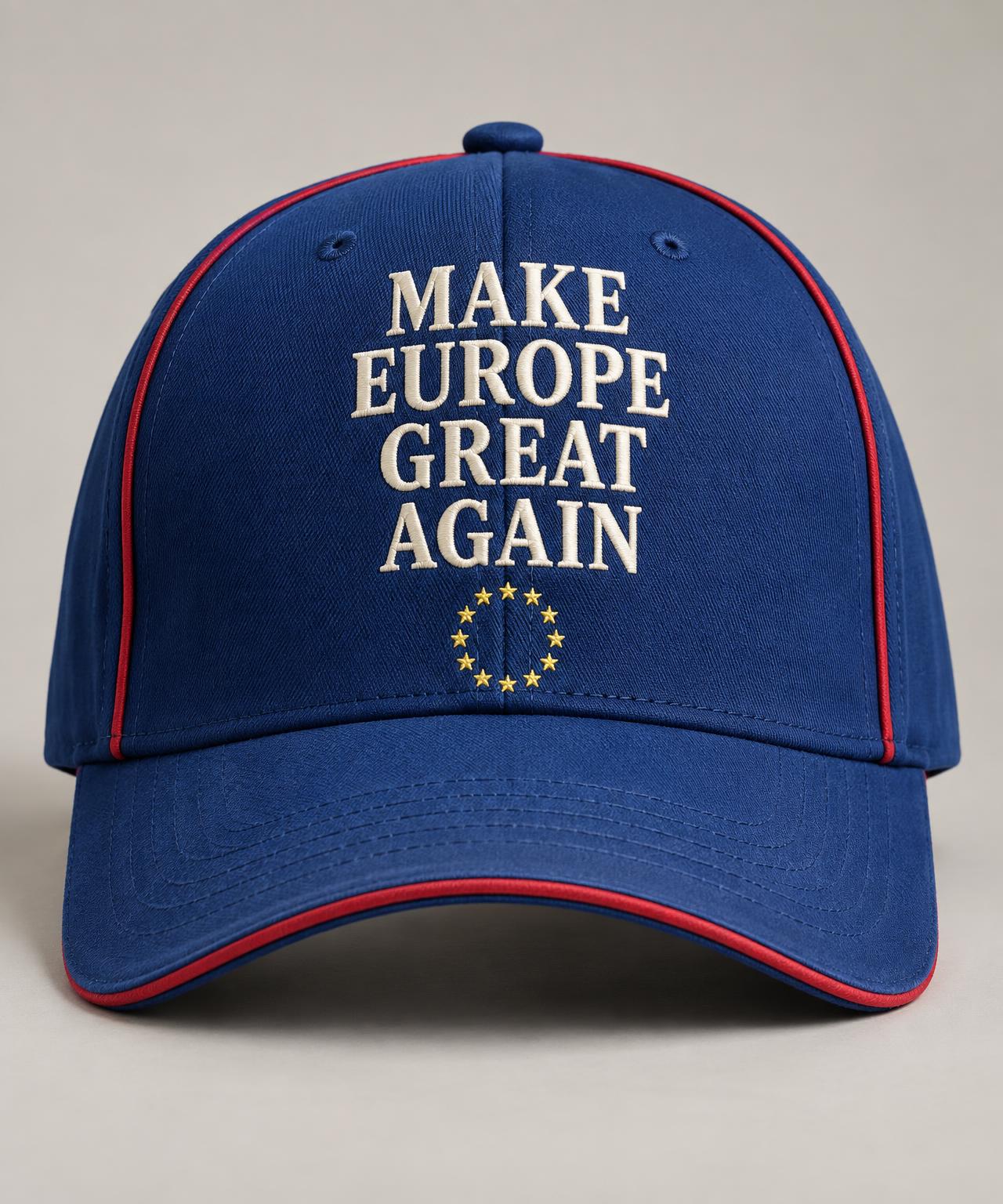
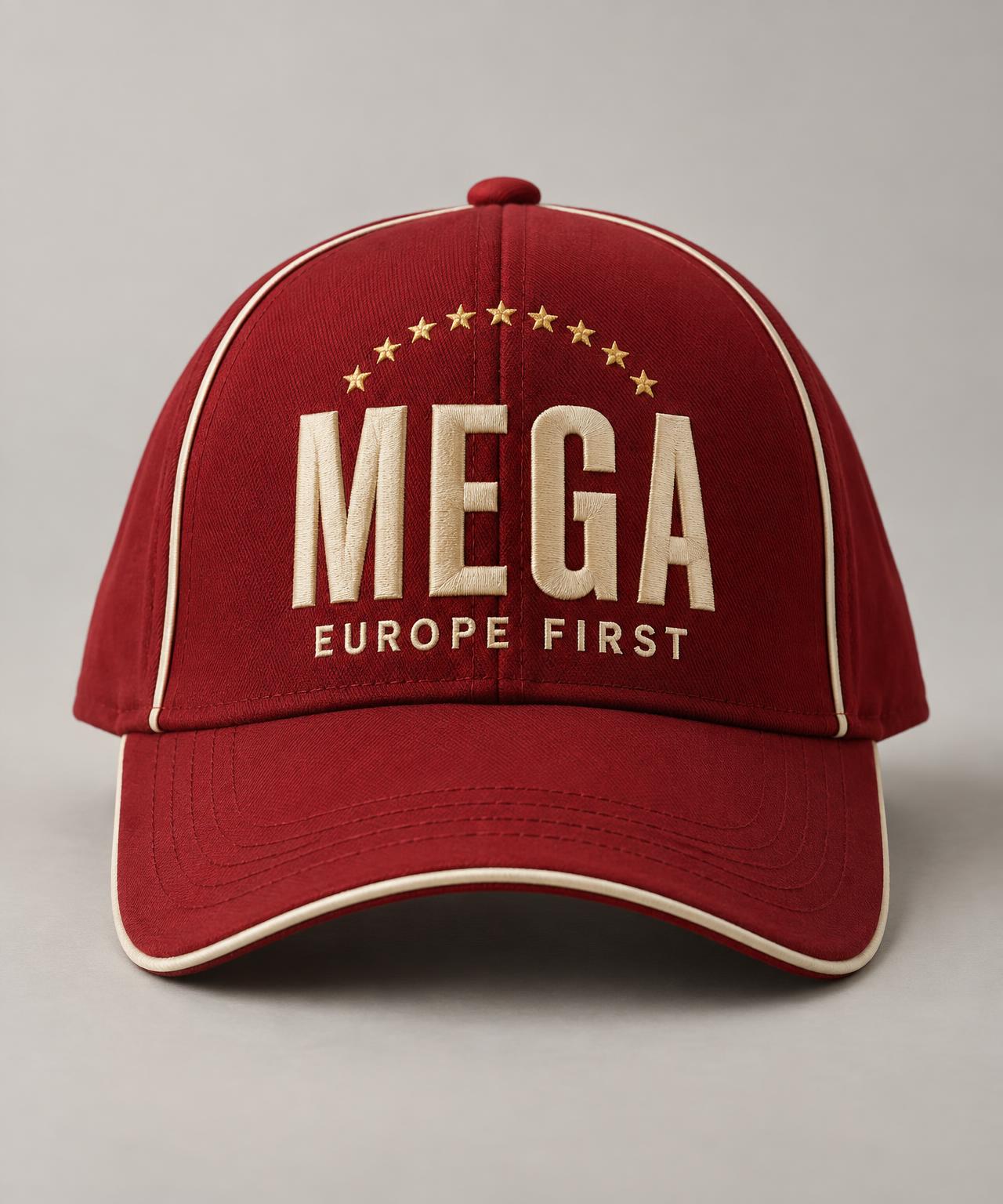
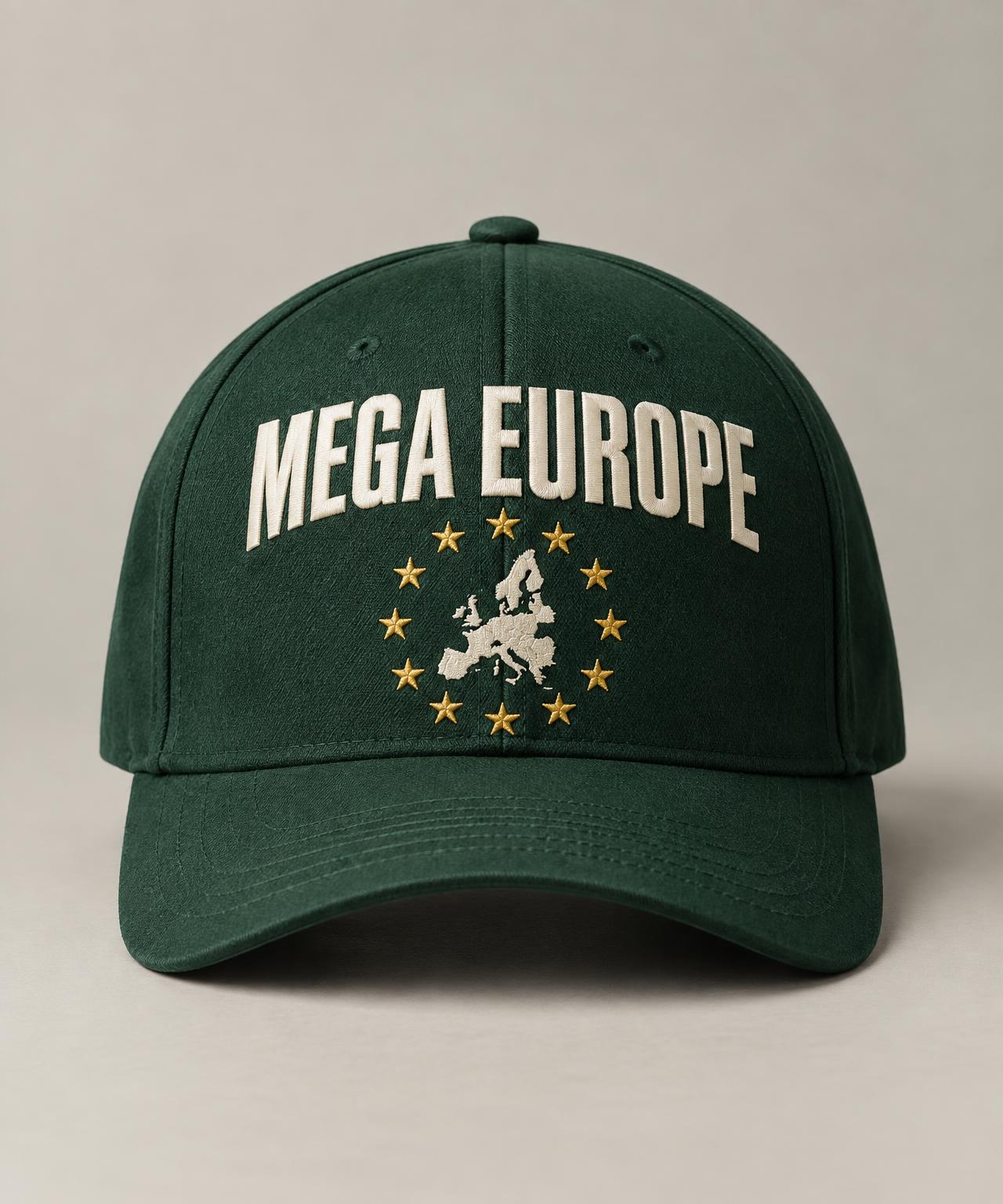
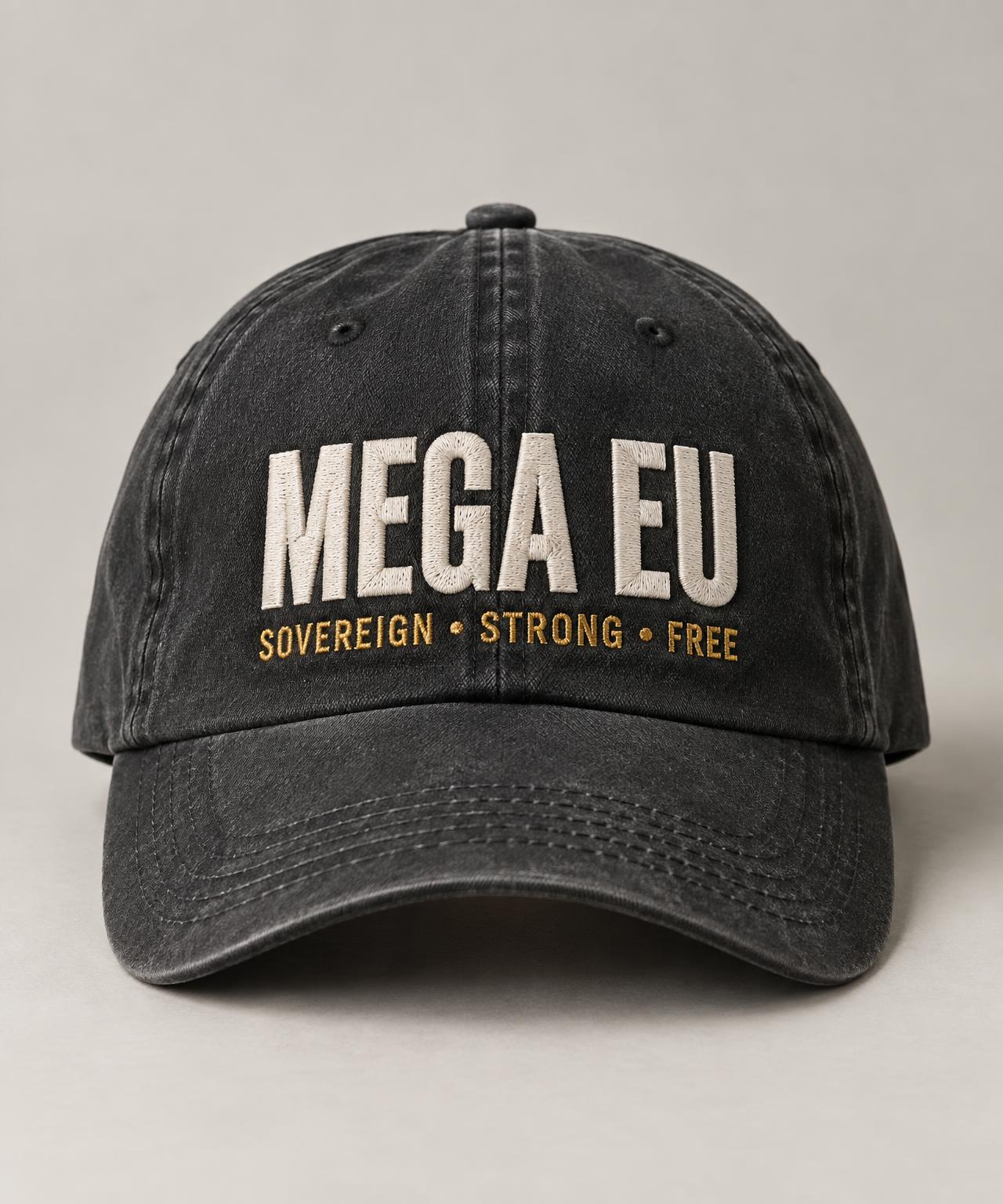
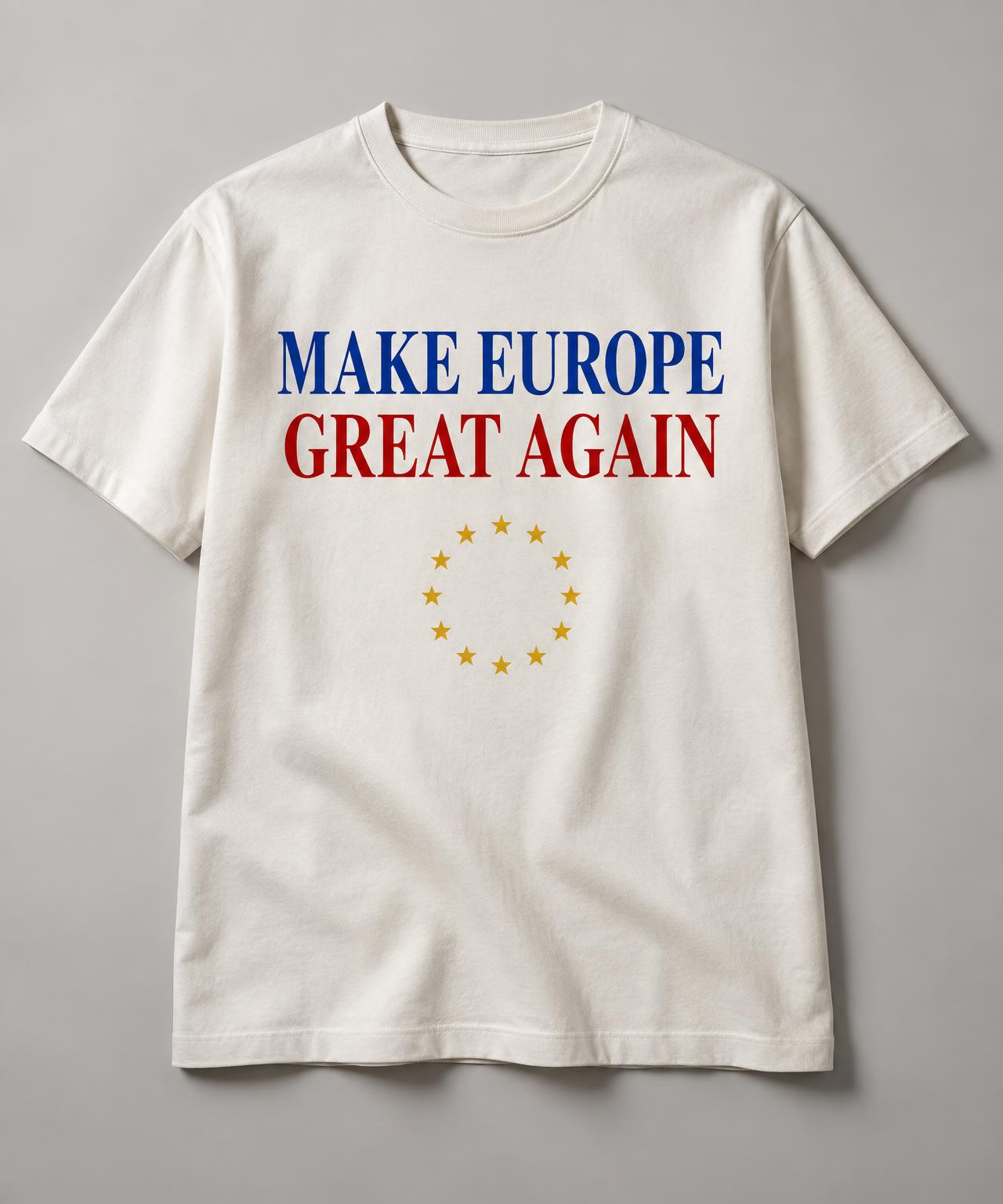
Make Europe Great Again collection

Wear the campaign

All 26 pieces

The forty analyses

Read Europe properly

Country files
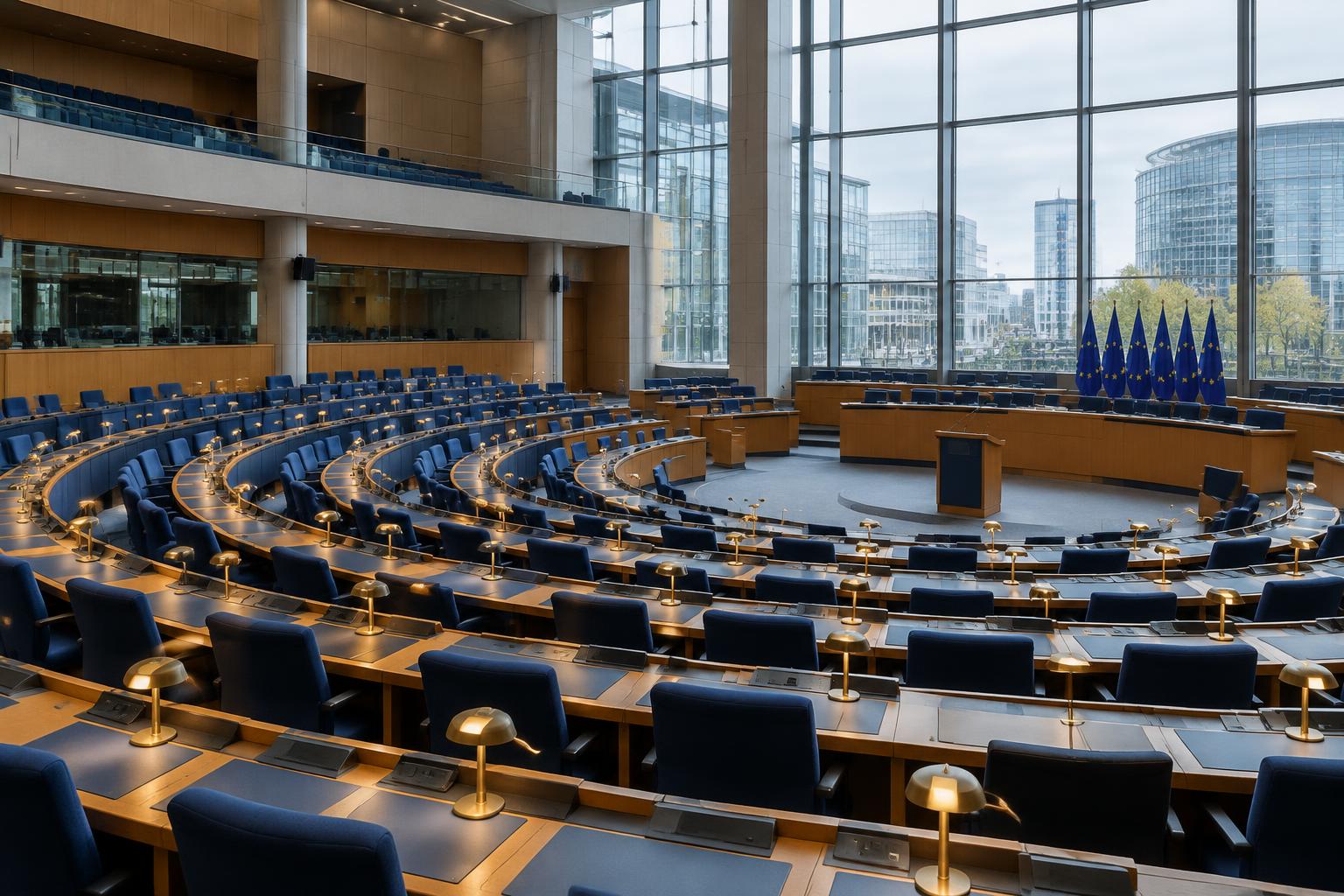
Rows of seats in a European parliamentary chamber

Analysis · European Policy

European Parliament: where EU politics becomes a public vote

Europe’s directly elected chamber shares lawmaking and budget power, scrutinises the executive and turns national party competition into European coalitions.

· 6 min read · MEGA EU Editorial Desk

European flags around an institutional meeting hall

Analysis · European Policy

European Council: how national leaders set the EU agenda

The European Council sets political direction without passing ordinary EU laws—a distinction central to understanding where Brussels power begins and ends.

· 6 min read · MEGA EU Editorial Desk

European industrial infrastructure viewed as an editorial economic image

Analysis · European Policy

Bruegel and the economics behind EU political choices

Bruegel’s non-doctrinal economic research informs debates over competitiveness, trade, energy and public finance without carrying democratic authority of its own.

· 6 min read · MEGA EU Editorial Desk

European defence officials in an editorial security image

Analysis · European Policy

ECFR’s case for a Europe able to act in the world

The pan-European think tank openly seeks coalitions for change in foreign policy. Its work is influential analysis, not an official voice of the EU.

· 6 min read · MEGA EU Editorial Desk

European research papers and civic documents

Analysis · European Policy

FEPS and the progressive programme for EU politics

FEPS is explicit about its role: it serves Europe’s progressive political family and develops ideas for socialist and social-democratic policy.

· 6 min read · MEGA EU Editorial Desk

  1. 10Clingendael: research, diplomacy and the Dutch view of Europe
  2. 11Egmont Institute: Brussels foreign-policy research with a Belgian vantage point
  3. 12Friends of Europe wants to revitalise the European project. That is a stance.
  4. 13AfD and local government: what changes when protest meets administration
  5. 14Can the CDU answer AfD voters without becoming the AfD?
  6. 15Why banning a party in Germany is a constitutional question, not a slogan
  7. 16Sweden’s right lost office. Its policy coalition may outlast the government.
  8. 17Sweden’s integration test is work, language and equal rules
  9. 18How Denmark moved migration policy from the fringe to the mainstream
  10. 19The Finns Party can now be judged by results, not protest
  11. 20Why Norway’s Progress Party joined tax and migration into one argument
  12. 21Dutch coalition arithmetic keeps rewriting the voters’ mandate
  13. 22Austria’s neutrality is facing a harder European security test
  14. 23The National Rally’s economic programme faces a credibility test
  15. 24Does France’s two-round system still produce legitimate majorities?
  16. 25Italy’s migration deals test the limits of executive power
  17. 26Regional autonomy asks how much Italy can decentralise without dividing
  18. 27What Vox’s regional record reveals about national ambition
  19. 28Chega’s rise broke Portugal’s old party system. What comes next?
  20. 29Greece’s islands carry Europe’s border-policy contradiction
  21. 30Who gets to sell citizenship in the European Union?
  22. 31Cyprus shows why not every EU migration route is a sea border
  23. 32Why Confederation’s appeal to young Poles is not only nationalist
  24. 33Hungary’s sovereignty case meets the question of shared money
  25. 34Slovakia’s national turn is testing the boundaries of EU alignment
  26. 35Czech coalition politics is moving beyond a simple left–right map
  27. 36Romania’s nationalist vote is also a crisis of institutional trust
  28. 37What repeated elections cost Bulgarian democracy
  29. 38Croatia’s Schengen role changed the politics of the Balkan route
  30. 39How a small state can shape Europe without a veto on everything
  31. 40Estonia’s digital state proves efficiency needs security limits