Analysis · European Policy · 01
Why banning a party in Germany is a constitutional question, not a slogan Germany’s Basic Law sets an intentionally high threshold for excluding a political party from democratic competition.
22 September 2026 · 5 min read · Matteo Vermeer
Analysis · European Policy · 02
Sweden’s integration test is work, language and equal rules A durable integration settlement needs measurable expectations alongside access to education and employment.
22 September 2026 · 5 min read · Elin Söderberg
Analysis · European Policy · 03
How Denmark moved migration policy from the fringe to the mainstream Denmark shows how restrictive migration positions can become a cross-party governing consensus.
22 September 2026 · 5 min read · Elin Söderberg
Analysis · European Policy · 04
Austria’s neutrality is facing a harder European security test The war in Ukraine has reopened questions about what military neutrality requires from a prosperous EU member.
22 September 2026 · 5 min read · Matteo Vermeer
Analysis · European Policy · 05
Italy’s migration deals test the limits of executive power External processing promises speed, but courts, costs and European law determine whether the model can operate.
22 September 2026 · 5 min read · Matteo Vermeer
Analysis · European Policy · 06
Regional autonomy asks how much Italy can decentralise without dividing The north–south fiscal divide sits behind a constitutional argument over devolved powers.
22 September 2026 · 5 min read · Matteo Vermeer
Analysis · European Policy · 07
Greece’s islands carry Europe’s border-policy contradiction Frontline enforcement, humanitarian obligations and local capacity meet most visibly in the Aegean.
22 September 2026 · 5 min read · Matteo Vermeer
Analysis · European Policy · 08
Who gets to sell citizenship in the European Union? Investor-citizenship schemes turn a national competence into a union-wide security and trust question.
22 September 2026 · 5 min read · Matteo Vermeer
Analysis · European Policy · 09
Cyprus shows why not every EU migration route is a sea border The island’s Green Line combines an unresolved conflict with asylum pressure and EU legal complexity.
22 September 2026 · 5 min read · Matteo Vermeer
Analysis · European Policy · 010
Hungary’s sovereignty case meets the question of shared money Disputes over EU funds expose the tension between national electoral mandates and conditions attached to a common budget.
22 September 2026 · 5 min read · Matteo Vermeer
Analysis · European Policy · 011
Slovakia’s national turn is testing the boundaries of EU alignment Government positions on sovereignty, criminal law and foreign policy have sharpened conflict with Brussels and domestic opponents.
22 September 2026 · 5 min read · Matteo Vermeer
Analysis · European Policy · 012
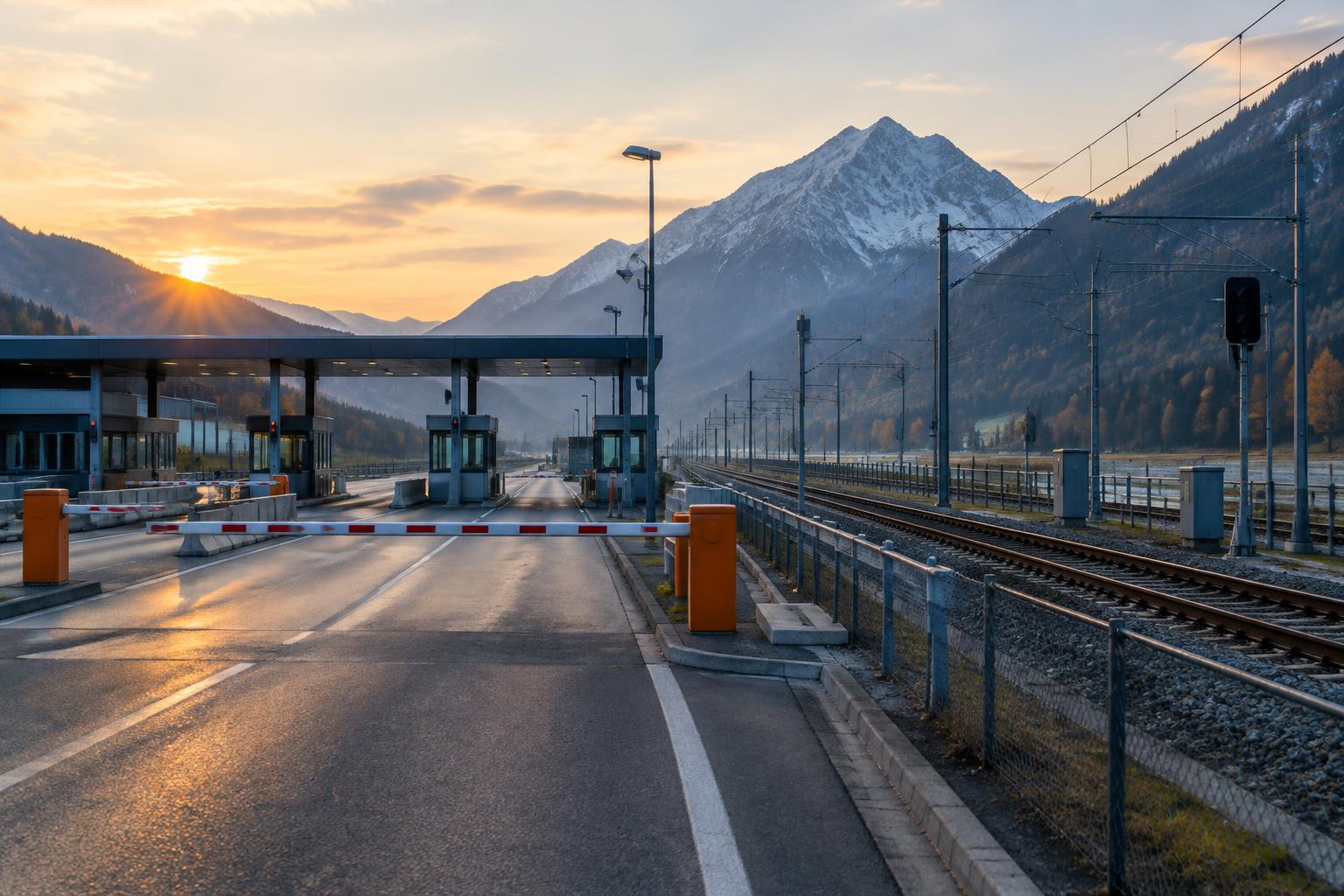
Croatia’s Schengen role changed the politics of the Balkan route Membership moved a national frontier into the core of Europe’s passport-free area.
22 September 2026 · 5 min read · Matteo Vermeer
Analysis · European Policy · 013
How a small state can shape Europe without a veto on everything Slovenia’s influence comes from coalition-building, expertise and regional knowledge as much as formal blocking power.
22 September 2026 · 5 min read · Matteo Vermeer
Analysis · European Policy · 014
Estonia’s digital state proves efficiency needs security limits Digital public services are a strategic strength, but wartime pressure raises questions about data, identity and due process.
22 September 2026 · 5 min read · Matteo Vermeer
Analysis · European Policy · 015
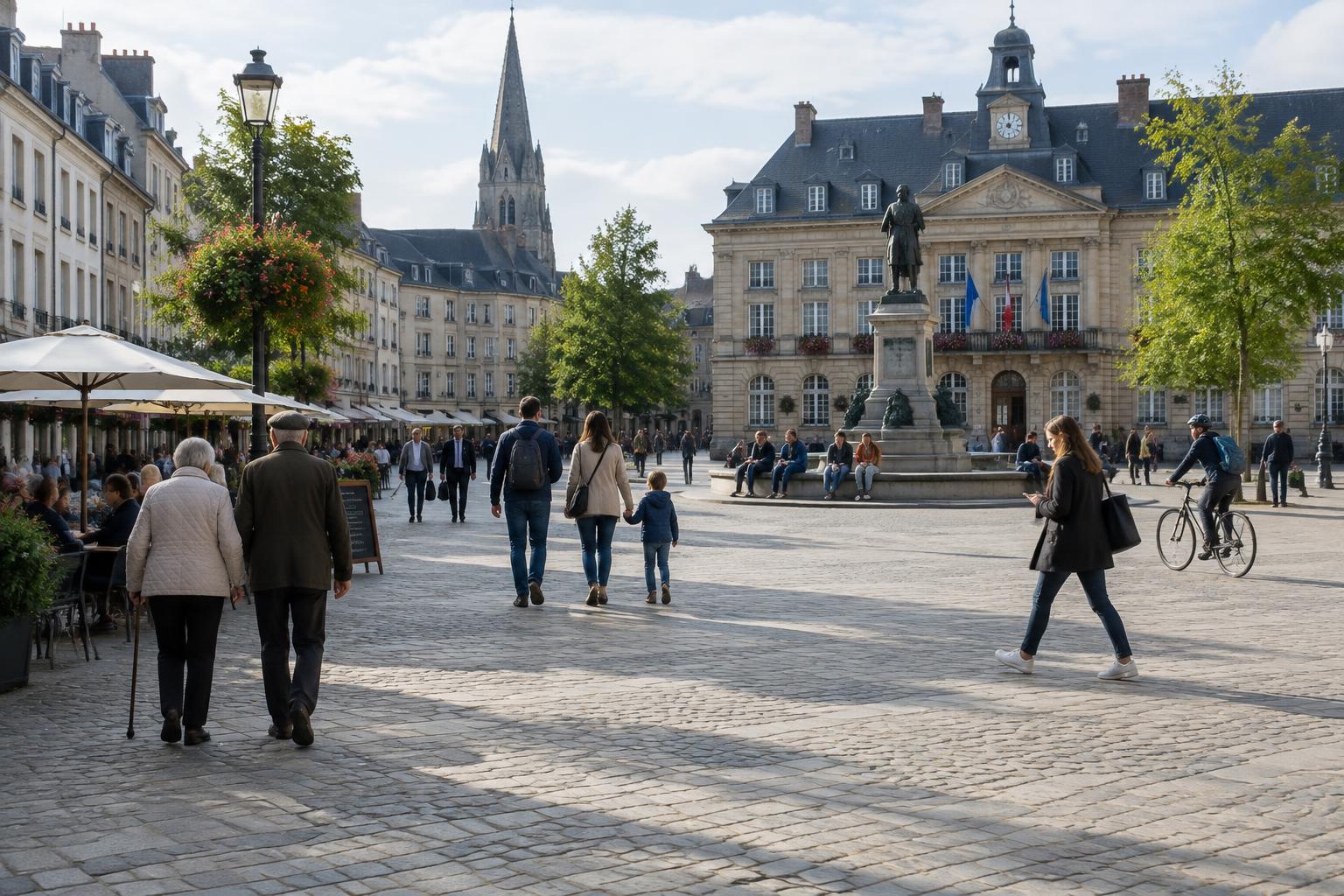
Latvia’s language policy sits between integration and security Russian-language education and media policy are shaped by both national cohesion and individual rights.
22 September 2026 · 5 min read · Matteo Vermeer
Analysis · European Policy · 016
Lithuania’s Belarus border is a test of law under pressure State-organised migration pressure creates a genuine security challenge without suspending refugee protections.
22 September 2026 · 5 min read · Matteo Vermeer
Analysis · European Policy · 017
Europe’s return-policy gap is a rule-of-law problem An asylum system loses credibility when final decisions are slow, inconsistent or rarely implemented.
22 September 2026 · 5 min read · Matteo Vermeer
Analysis · European Policy · 018
Europe is spending more on defence. Fragmentation still weakens the result. National procurement protects domestic interests but multiplies systems, costs and logistical complexity.
22 September 2026 · 5 min read · Matteo Vermeer
Analysis · European Policy · 019
The Media Freedom Act protects journalism—and expands EU oversight New common rules address spyware, ownership and editorial independence while raising competence questions.
22 September 2026 · 5 min read · Matteo Vermeer
Analysis · European Policy · 020
Europe’s shrinking workforce demands more than a migration argument Ageing changes the fiscal mathematics of pensions, care, housing and labour supply.
22 September 2026 · 5 min read · Matteo Vermeer
Analysis · European Policy · 021
Free trade needs equal rules for Europe’s farmers The Mercosur debate asks whether market access can coexist with credible environmental and food standards.
22 September 2026 · 5 min read · Matteo Vermeer
Analysis · European Policy · 022
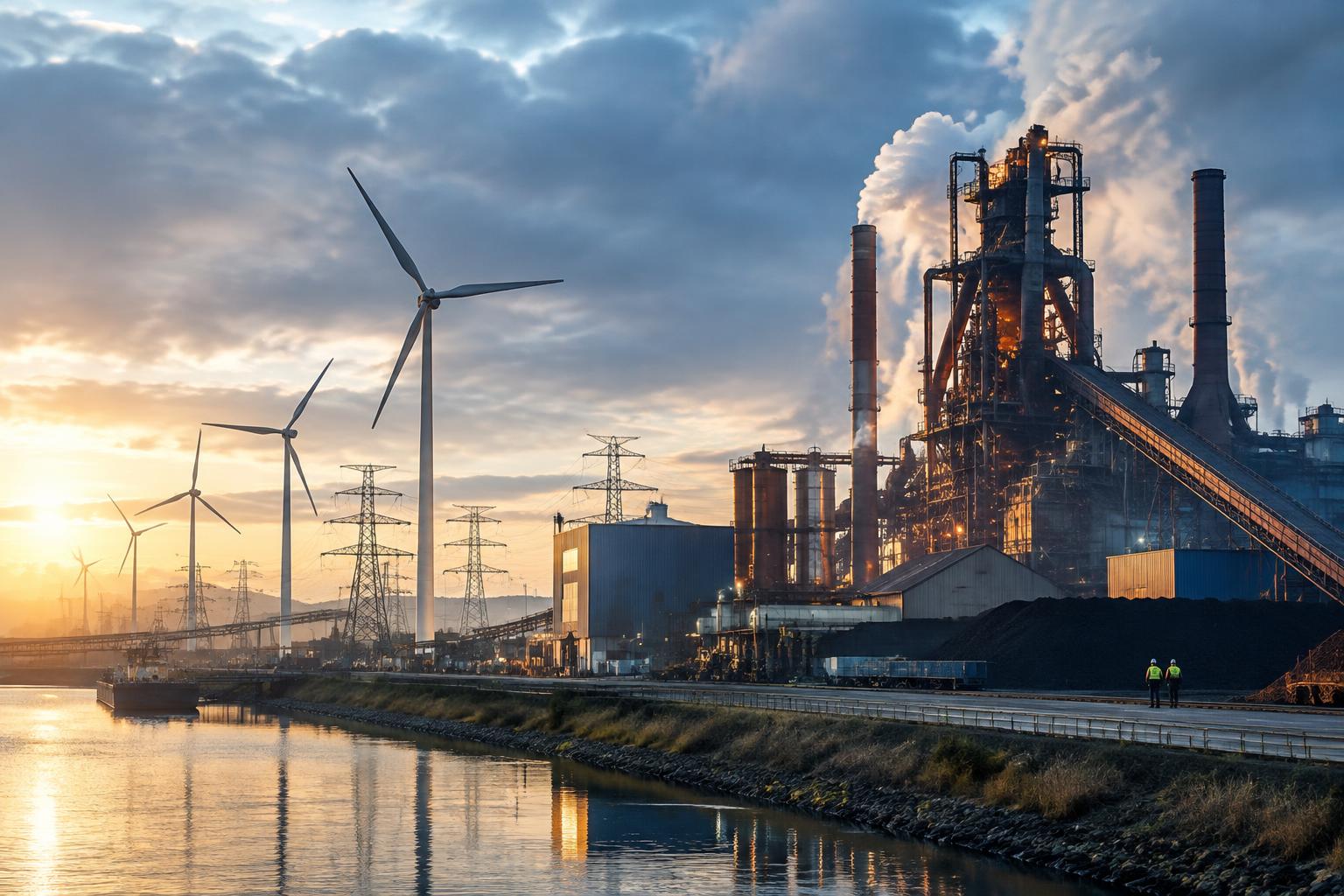
Europe’s energy union has a wiring problem Generation targets are outrunning grids, storage and cross-border capacity in parts of the continent.
22 September 2026 · 5 min read · Matteo Vermeer
Analysis · European Policy · 023
Enlargement must be strategic without becoming automatic The Western Balkans bring security urgency, but accession still requires durable institutional convergence.
22 September 2026 · 5 min read · Matteo Vermeer
Analysis · European Policy · 024
The EU’s rule-of-law test is consistency Common standards lose authority when governments believe enforcement depends on political alignment.
22 September 2026 · 5 min read · Matteo Vermeer
Analysis · European Policy · 025
Can Europe price carbon without exporting industry? The carbon border mechanism seeks fair competition while manufacturers face high energy and compliance costs.
22 September 2026 · 5 min read · Matteo Vermeer
Analysis · European Policy · 026
Who should control the EU’s next long-term budget? New common borrowing and revenue proposals raise an old question about taxation, consent and accountability.
22 September 2026 · 5 min read · Matteo Vermeer
Opinion · European Policy · 027
EU Migration Pact 2026: what changes at Europe’s borders The pact is now an operating system, not a campaign slogan. Here is what screening, solidarity and accelerated procedures mean in practice.
22 September 2026 · 7 min read · Matteo Vermeer
Opinion · European Policy · 028
France’s fiscal crisis is now a crisis of governability Minority arithmetic, public debt and resistance to spending restraint have turned each budget into an institutional stress test.
22 September 2026 · 7 min read · Matteo Vermeer
Opinion · European Policy · 029
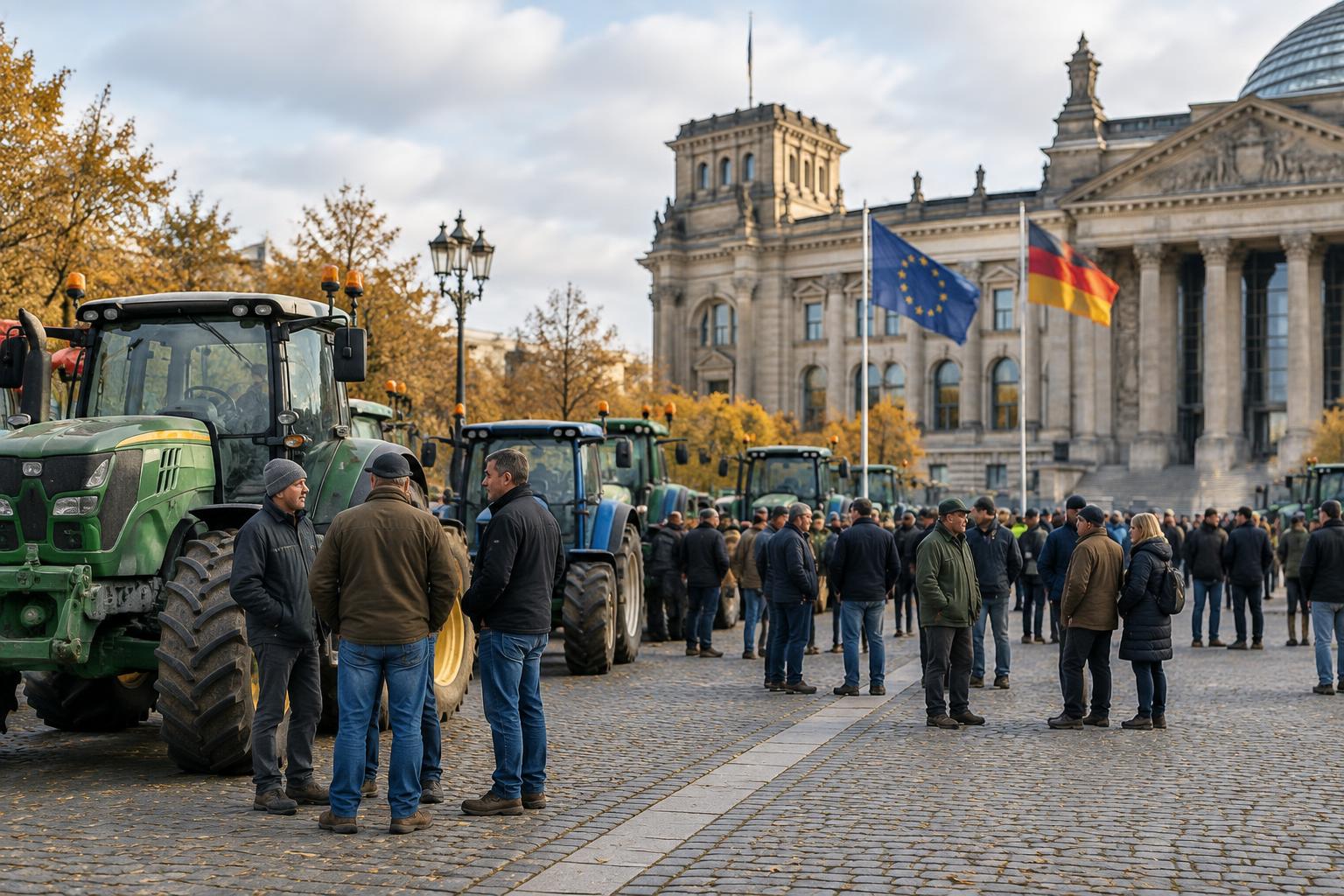
Why France’s farmer anger has outlasted the road blockades Margins, imports and environmental rules collide in a protest movement that neither Paris nor Brussels can dismiss.
22 September 2026 · 7 min read · Matteo Vermeer
Opinion · European Policy · 030
Italy’s birth-rate crisis: what family policy can—and cannot—fix Tax relief can ease pressure, but housing, work and delayed parenthood make Europe’s demographic challenge deeper than one allowance.
22 September 2026 · 7 min read · Elin Söderberg
Opinion · European Policy · 031
Italy’s energy-price problem is an industrial-policy problem Diversified gas supplies reduced one strategic risk while leaving manufacturers exposed to a structural cost gap.
22 September 2026 · 7 min read · Matteo Vermeer
Opinion · European Policy · 032
Dutch farmers and nitrogen rules: why the conflict persists Courts, habitats and farm livelihoods have produced a policy bind with no honest zero-cost solution.
22 September 2026 · 7 min read · Elin Söderberg
Opinion · European Policy · 033
Catalonia’s amnesty law one year on: settlement or postponement? The law changed legal exposure and parliamentary arithmetic, but the constitutional argument over sovereignty remains.
22 September 2026 · 7 min read · Matteo Vermeer
Opinion · European Policy · 034
Poland’s defence surge is moving Europe’s strategic centre east Warsaw is pairing spending with fortification and procurement. The challenge is converting urgency into durable capability.
22 September 2026 · 7 min read · Matteo Vermeer
Opinion · European Policy · 035
Sweden’s tougher crime laws: what the evidence can tell us so far Longer sentences and expanded police powers signal resolve, but attribution demands more than a short-term change in violence.
22 September 2026 · 7 min read · Elin Söderberg
Opinion · European Policy · 036
Why Denmark’s asylum model keeps attracting Europe’s right A restrictive system built across party lines offers political lessons—and legal and humanitarian cautions.
22 September 2026 · 7 min read · Elin Söderberg
Opinion · European Policy · 037
Finland’s eastern border policy after the hybrid-threat shock Helsinki’s security case is strong; the continuing test is whether emergency tools remain bounded by law.
22 September 2026 · 7 min read · Elin Söderberg
Opinion · European Policy · 038
Finland’s welfare-state reform is a test of Nordic realism The coalition argues that adjustment protects the model. Critics see the burden falling too heavily on workers and households.
22 September 2026 · 7 min read · Elin Söderberg
Opinion · European Policy · 039
Norway’s oil wealth cannot end its energy argument The sovereign fund provides room to manoeuvre, not an answer to disputes over petroleum, power exports and the Progress Party.
22 September 2026 · 7 min read · Elin Söderberg
Opinion · European Policy · 040
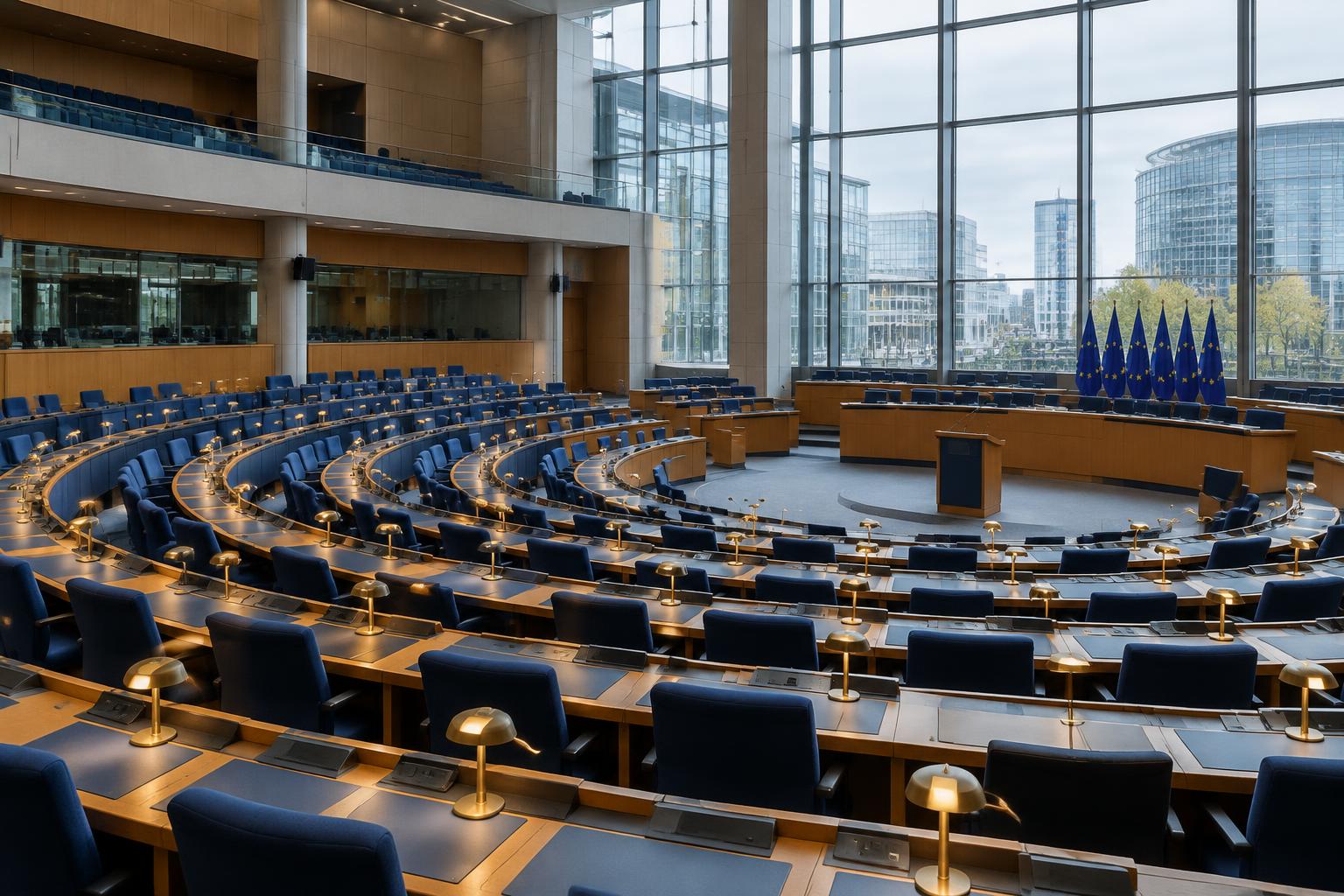
National vetoes or qualified majority: Europe’s sovereignty argument Faster decisions can create capacity. They can also weaken democratic consent when vital national interests are overridden.
22 September 2026 · 7 min read · Matteo Vermeer
Opinion · European Policy · 041
Europe’s defence spending surge: money is only the first test Headline percentages conceal fragmented procurement, thin stockpiles and infrastructure that still cannot move forces quickly.
22 September 2026 · 7 min read · Matteo Vermeer
Opinion · European Policy · 042
The farm-policy backlash reshaping Europe’s green transition A workable settlement must value food security and farm incomes while preserving measurable environmental outcomes.
22 September 2026 · 7 min read · Matteo Vermeer
Opinion · European Policy · 043
The DSA and free speech: what Brussels can regulate—and what it should not Platform accountability has a democratic rationale. Opaque enforcement and pressure on lawful speech require equal scrutiny.
22 September 2026 · 7 min read · Matteo Vermeer
Opinion · European Policy · 044
Europe’s demographic winter requires more than pronatalist slogans Families respond to housing, time, security and culture. Cash transfers matter, but they cannot carry the whole policy.
22 September 2026 · 7 min read · Elin Söderberg
Opinion · European Policy · 045
A practical right-of-centre agenda for European sovereignty Borders, energy, defence and competitive industry matter more than arguments over whether Europe should be a federation.
22 September 2026 · 7 min read · Matteo Vermeer
Opinion · European Policy · 046
The Baltic energy break with Russia is sovereignty made physical Synchronising westward turned cables, frequency and reserve power into instruments of political independence.
22 September 2026 · 7 min read · Matteo Vermeer
Opinion · European Policy · 047
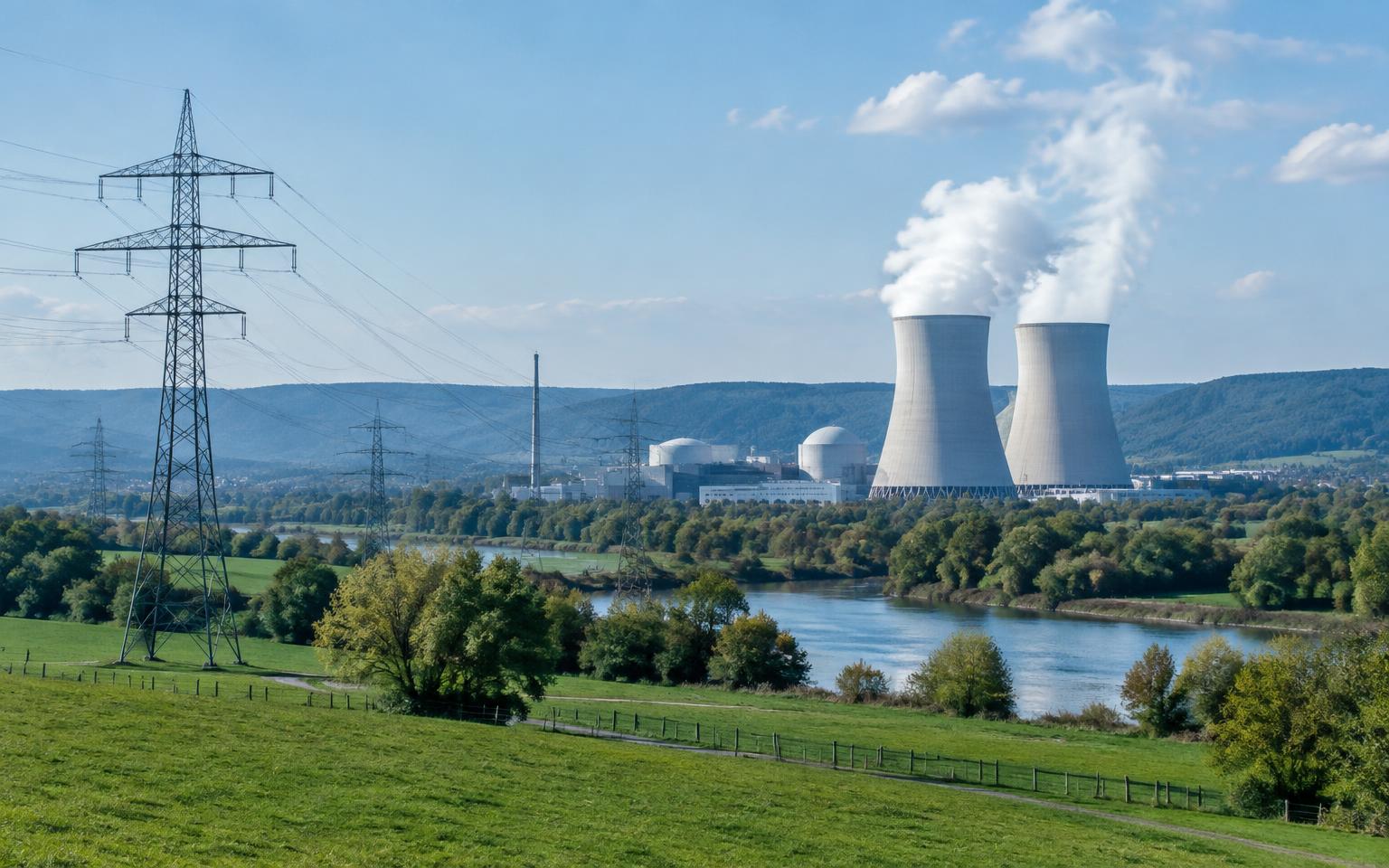
Czechia’s nuclear expansion and the price of energy sovereignty New reactors promise firm power and industrial depth, but financing and delivery discipline will determine credibility.
22 September 2026 · 7 min read · Matteo Vermeer
Opinion · European Policy · 048
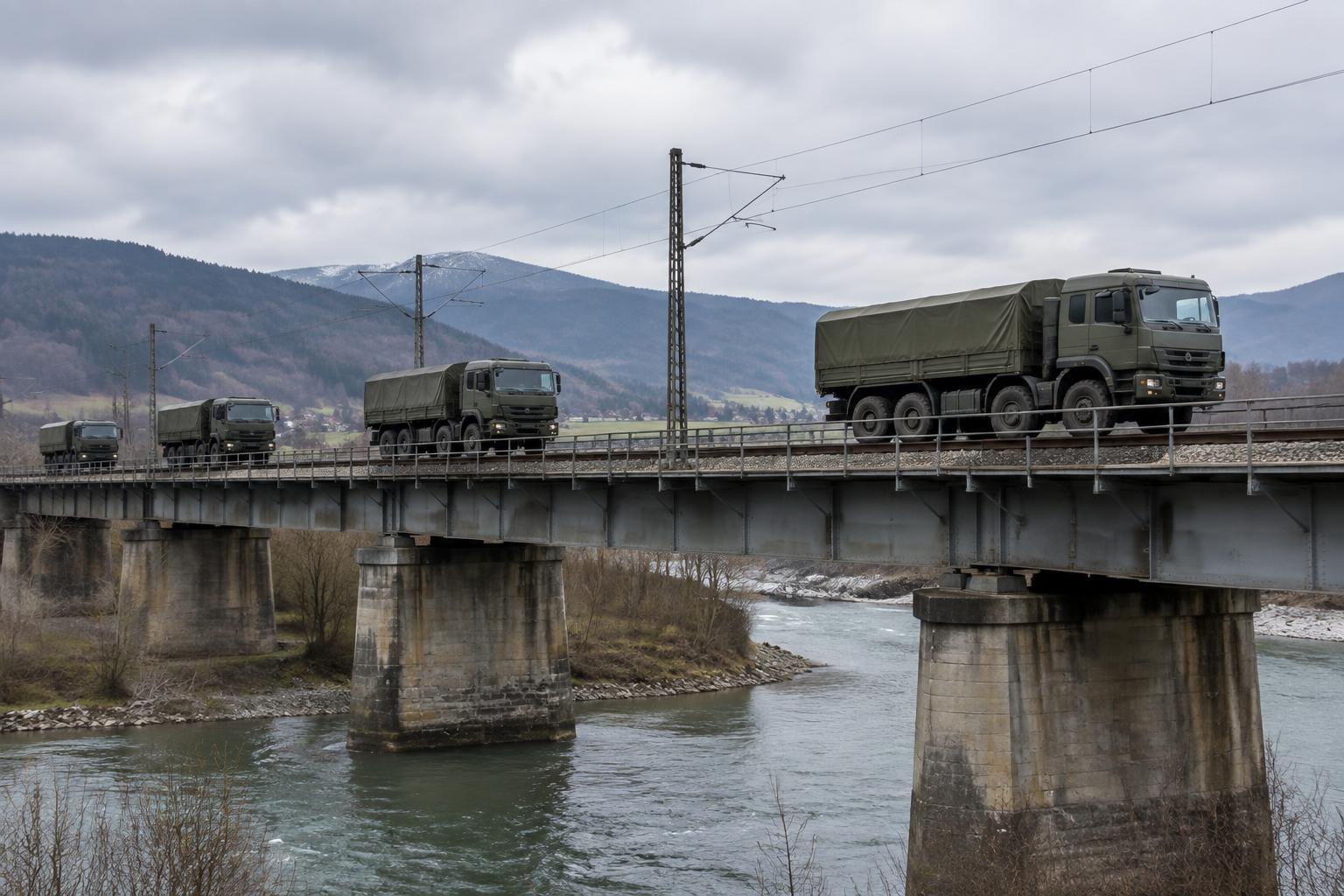
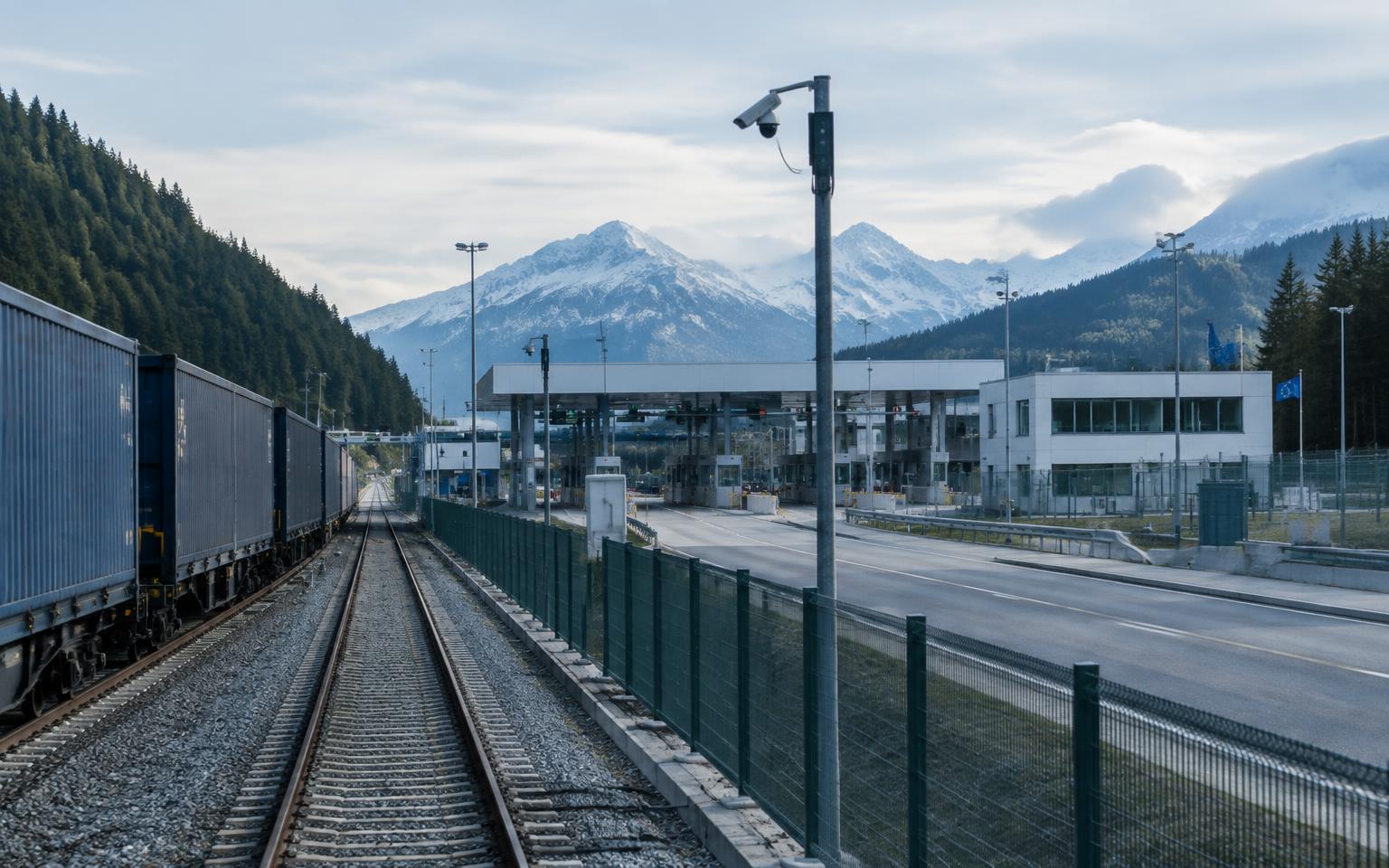
Europe’s defence bottleneck runs through bridges, ports and rail gauges Readiness depends on moving equipment across borders, making civilian infrastructure a central security question.
22 September 2026 · 7 min read · Matteo Vermeer
Opinion · European Policy · 049
What EU competitiveness looks like from a small firm The case for simplification is strongest when measured in hours, permits and capital—not in the number of press releases.
22 September 2026 · 7 min read · Matteo Vermeer
Opinion · European Policy · 050
Europe after Russian gas: the energy-security gaps that remain LNG, storage and renewables bought resilience. Expensive power, grid delays and imported technology remain unresolved.
22 September 2026 · 7 min read · Matteo Vermeer
Opinion · European Policy · 051
Europe cannot regulate its way to competitiveness A right-of-centre case for simpler rules, stronger investment and measurable restraint in Brussels.
18 September 2026 · 8 min read · Matteo Vermeer
Analysis · European Policy · 052
The durable case for European nuclear power Energy sovereignty needs a portfolio: renewables, grids, storage and firm low-carbon generation.
15 September 2026 · 7 min read · Matteo Vermeer
Analysis · European Policy · 053
Border control and asylum rights are not opposing principles Europe needs fast decisions, enforceable returns and legal routes — under judicial oversight.
11 September 2026 · 8 min read · Matteo Vermeer
Analysis · European Policy · 054
Italy after the breakthrough: judging Meloni by government, not labels alone Brothers of Italy moved from insurgency to executive power. Its record shows both ideological continuity and the constraints of coalition government.
20 September 2026 · 7 min read · Matteo Vermeer
Analysis · European Policy · 055
Austria's FPÖ can shape policy without entering government The Freedom Party's leverage explains why opposition status and political exclusion are not the same thing.
19 September 2026 · 6 min read · Matteo Vermeer
Analysis · European Policy · 056
Poland's divided right is competing over the state itself PiS, Confederation and the presidency share voters but not a single programme. Constitutional power is the arena that connects them.
16 September 2026 · 7 min read · Matteo Vermeer
Analysis · European Policy · 057
Four Nordic rights, four different routes to influence Sweden, Denmark, Finland and Norway show why Europe's populist right cannot be explained as one movement.
15 September 2026 · 9 min read · Elin Söderberg